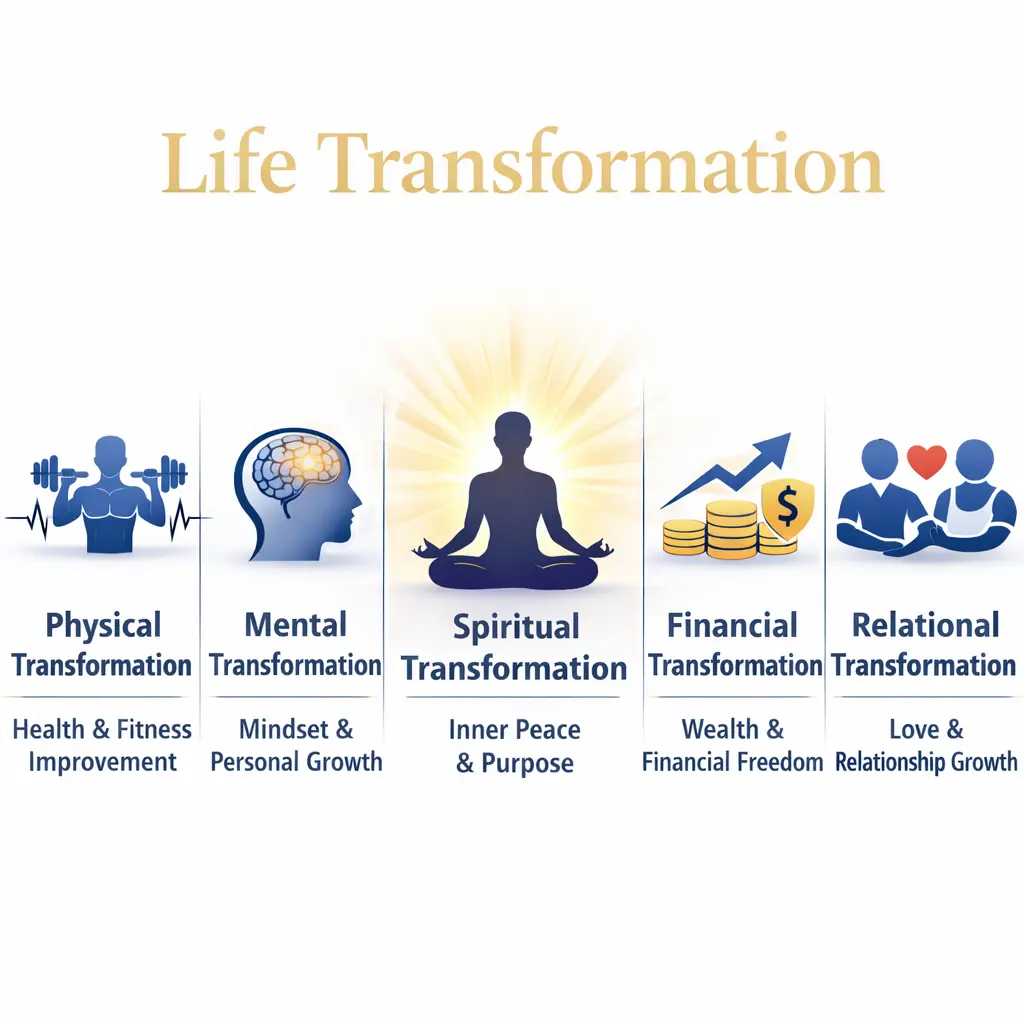
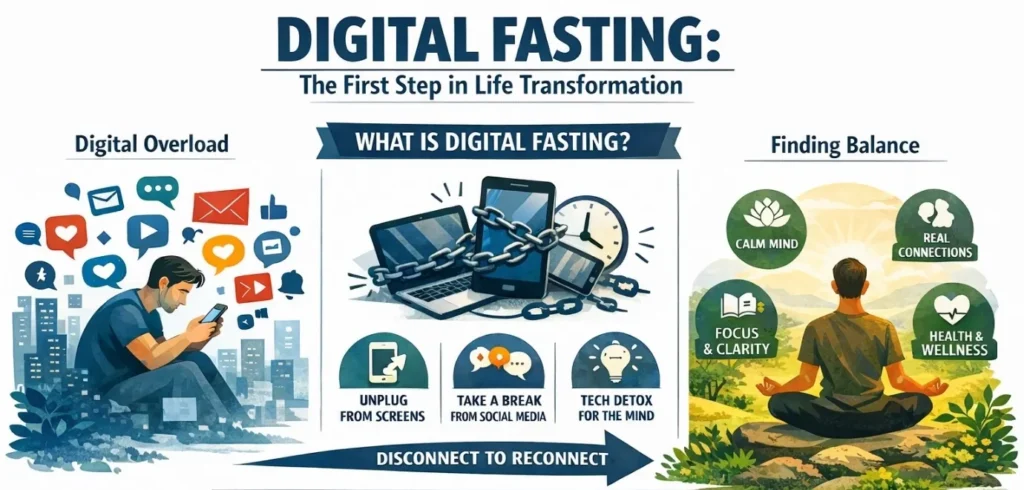
We are living in an era in which screens are everywhere and digital connectivity is the new norm, which forces the majority of us to feel assaulted with constant notifications, constant scrolling and the illusion of productiveness. Despite the undisputed benefits, technology, in turn, brings about such habits, and they may cause the loss of our mental calm, concentration, and health. Digital fasting is one of the potent practices that are becoming increasingly popular as a starting point of effective life change. This mindful disengagement on the part of electronic equipment is not the renunciation of technology but rather the restoration of equilibrium, attention and significance in our lives.
What is Digital Fasting?
In the most basic definition, digital fasting is a condition of conscious non-dependence on digital technology specifically, smartphones, social media, streaming, and other apps that take our attention. Digital fasting is a voluntary measure toward not being connected to digital overload over an extended duration of time as compared to a mere act of turning off the notifications. It is a kind of brain spa, it gives the time to think, to be in the real world and to be in peace with oneself.
The concept behind this is founded on the ancient form of fasting- when people avoid eating or some form of comfort to get their body and mind refreshed. Similarly, by applying digital fasting, the routine modes of thinking can be reinstated back to normal, and the meaning reclaimed in our interaction with technology.
Why Choose Digital Fasting as a Starting Point for Transformation
1. Reclaiming Mental Clarity
Our attention is being split and the brain flooded in modern world with continual use of technology. This brings cognitive exhaustion, cognitive lack of concentration, and cognitive noise. By taking a break of screens; people tend to say that they think better, become more attentive, and they are more present in the day to day things that they need to accomplish.
Digital fasting is a form of psychological method of freeing your brain to think and not be interrupted so that you can let your mind unwind and restructure priorities. This will help build a proactive attitude instead of a reactive attitude in which everything that happens to you is what you should concern yourself with.
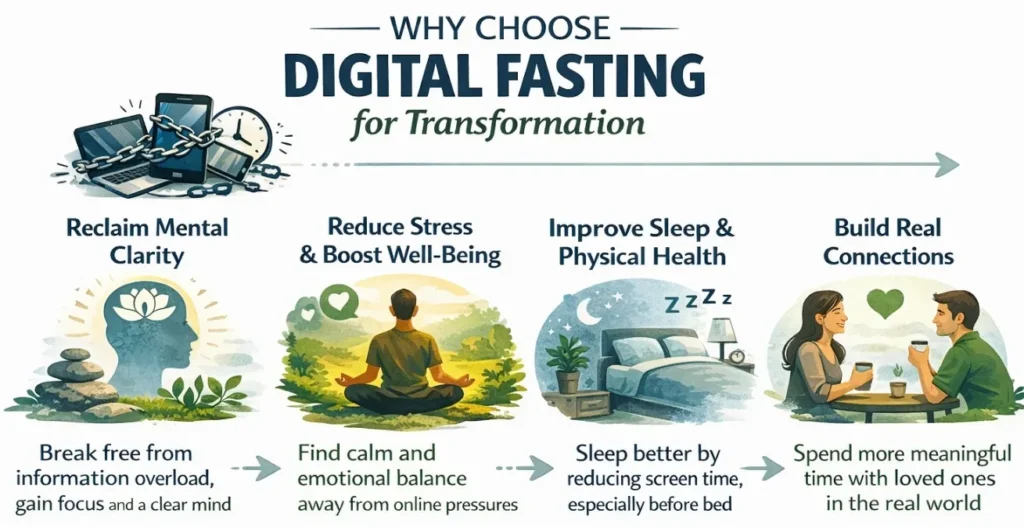
2. Reducing Stress and Enhancing Emotional Well-Being
According to the studies, the overuse of the screen and especially the social media can be connected to the increased stress, anxiety, and emotional drainage. Digital fasting will aid in avoiding being victimized by comparison, a feeling of missing out (FOMO), and the pressure to be constantly connected.
The outcomes of the experiment based on the results of the participants who undergo a digital detox tend to show that they feel less overwhelmed, are better emotionally stable, and become more attuned to their inner processes, which becomes one of the pillars of transforming the person to a deeper level.
3. Better Sleep Patterns and Physical Health Benefits
The screens can also disrupt sleep by exposing us to blue light before bed and therefore it inhibits the hormone melatonin, which controls our sleep-wake cycle. Restricting the use of the internet especially at night has been identified to increase the quality of sleep and to help people to fall asleep easily.
A transformed life is made up of several aspects including long-term productivity, emotional stability, and long-term health only achievable by having a well-rested mind and body.
4. Building Meaningful Real-World Relationships
The physical, face-to-face relationships may even be substituted by means of Internet communication. Technology can bring us closely yet at the same time it may cause us to lose our present time with our loved ones. Digital fasting promotes meaningful conversations, face-to-face look, and screen time.
This reconnecting myself with the people around me adds depth to relationships, knowing each other- priceless aspect to a full life.
How to Practice Digital Fasting Effectively
Digital fasting does not need to be extreme or intimidating. You can customize it to your lifestyle, objectives and comfort level. The following are the steps to take:
1. Start with Small, Intentional Fasts
You might begin with:
- Daily screen-free hours — such as during meals or one hour before sleep.
- Weekend digital breaks — choose Saturday mornings or Sundays to unplug.
- Evening device curfew — no screens after a fixed time.
Starting small helps you build confidence and experience the benefits without feeling overwhelmed.
2. Establish Tech-Free Zones
Create technology-free areas of your home, e.g. the dining table or the bedroom. These rooms can turn into places where people can work without interruption, think, and sleep.
The digital device-free means that you develop better habits because you can start being more mindful of the surrounding.
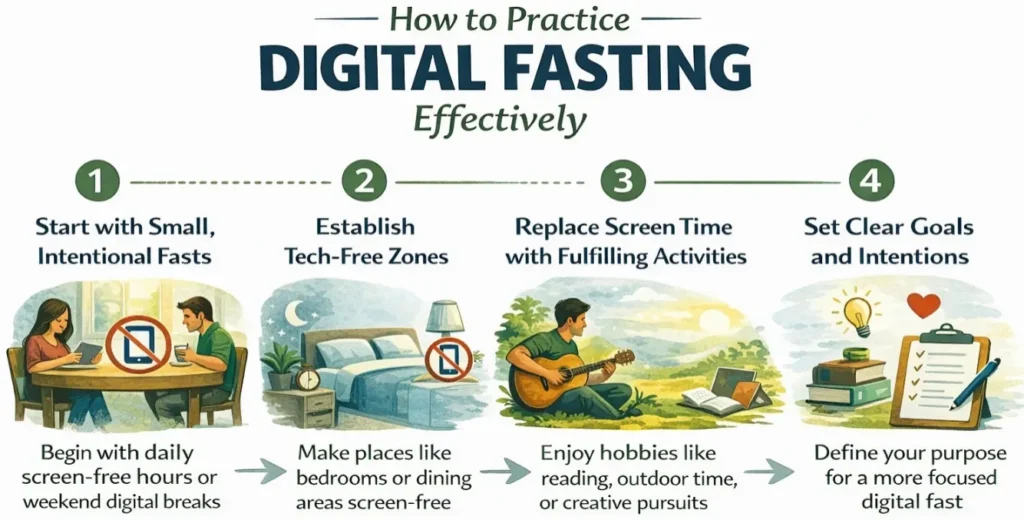
3. Replace Screen Time with Fulfilling Activities
Another significant note in digital fasting is partaking in something that brings about your development:
- Reading books
- Spending time outdoors
- Journaling or meditation
- Artistic activities like drawing, music or cooking.
These activities can bring your time worth living and give you the rewards that can rarely be given by the screens like a superior sense of fulfillment, creativity and inner peace.
4. Set Clear Goals and Intentions
Ask yourself why you are fasting digitally. Is it to improve focus? Enhance relationships? Reduce stress? When you clarify your intention, you stay more committed and motivated through challenges.
Having a plan and knowing where to go will make digital fasting more than a momentary thing and a long-lasting practice that will aid in long-term transformation.
Overcoming Challenges During a Digital Fast
It is only natural to feel uncomfortable initially – especially to the individuals who used to be attached. Other people experience irritability, boredom or the desire to look at devices. These are all short lived feelings that are normally a sign that the brain is becoming accustomed to a healthier run.
Here are supportive tips:
- Acknowledge your feelings without judgment.
- Use alternative activities to fill your focus.
- Stay accountable with a friend or family member.
- Celebrate small wins to reinforce positive behavior.
One should remember that perfection is not the issue of digital fasting. It is a question of altering the attitude with which you identify with technology one step at a time.
The Long-Term Impact of Digital Fasting
The more digital fasting is practiced, the better it becomes. There are long term effects; some of them include:
- Sustained mental clarity
- Stronger emotional resilience
- Deeper connections with people
- Enhanced productivity and creativity
- A balanced, intention-driven lifestyle
Rather than viewing technology as a type of distraction or a source of stress, digital fasting can help us to consume technology in a conscious way, consciously and intentionally.
Conclusion: Digital Fasting as the First Step Toward Transformation
Digital fasting is not about refusing to live in the modern world and criticize the usage of technologies. It is a matter of reclaiming the control and amplifying the capability to concentrate and providing the mental space over what matters. Be it that you are feeling disoriented, need to find some clarity, or are aiming to discover more about the purpose of your life, making a digital fast a soft, but potent starting point.
The practice will help you to slow down, become aware of your habits, and reconsider your inner values. By so doing, you start a transformational journey that is not behind the screens – to a more peaceful, thoughtful, and satisfying life.